
Building with Purpose
The Legacy of Zelle and the Lessons That Matter

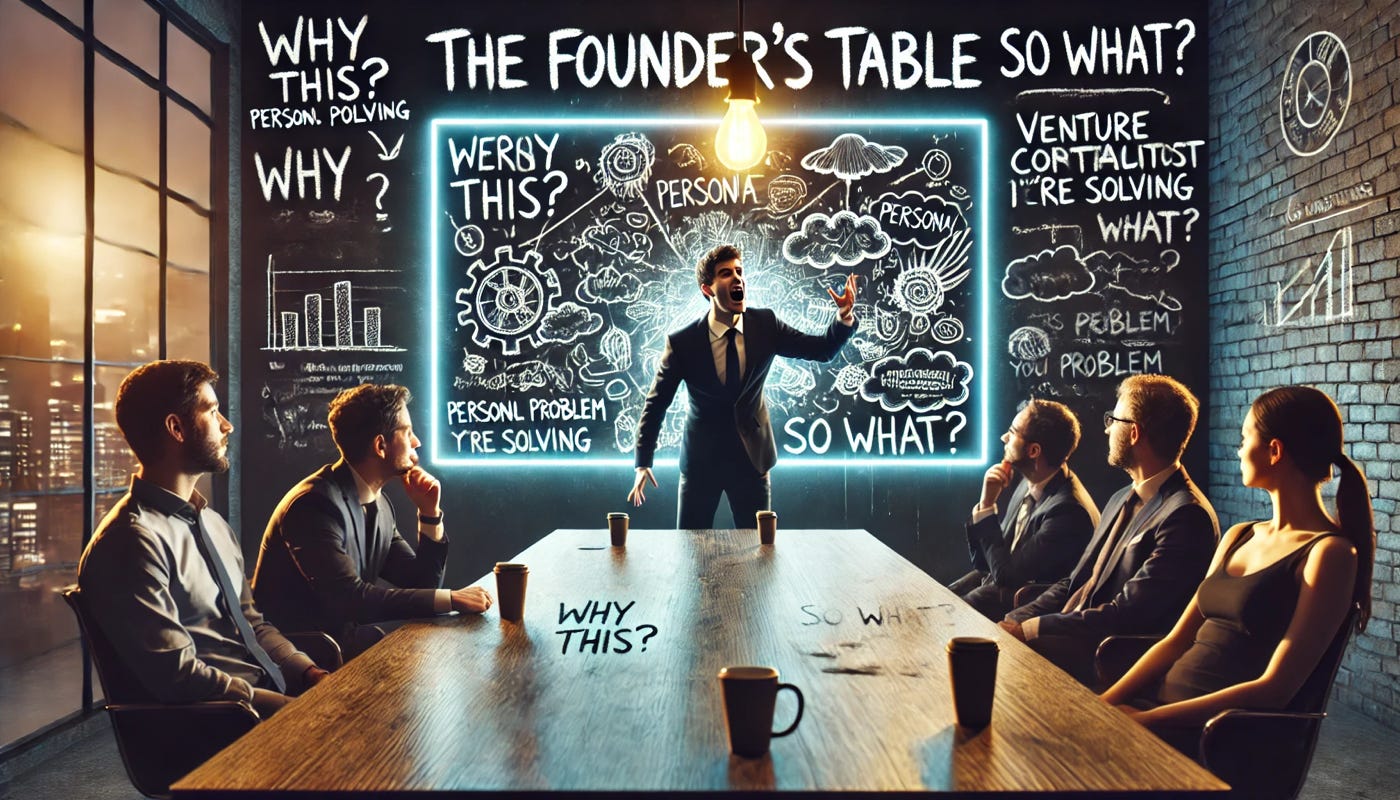
“Everything we build should mean something. Otherwise, why bother?”
Entrepreneurship is a wild ride. Anyone who’s pitched under fluorescent lights to a panel of VCs with barely a sip of coffee and a deck loaded with dreams knows this. It’s not just about the what you’re building—it’s the why. And the best pitches? They always come from a place of purpose, from someone solving a problem they live, breathe, and know intimately.
I’ve sat on both sides of that table—builder and believer. And through every prototype, every code push, and every midnight product roadmap rework, I’ve found one truth holds strong: when the problem is personal, the solution is powerful.
Let me tell you about something personal inspired by the recent sunsetting of Zelle standalone apps.
Zelle: A Project, a Platform, a Purpose
When we first scoped out the stand-alone Zelle app, we weren’t trying to conquer the world. The brief was clear—launch fast, fill the gap, serve a function. It wasn’t supposed to last long. Not in the “tech-years” we live in now, where apps age faster than milk on a summer sidewalk.
But it lasted. Five years past its original design window. That’s a whole career for some folks in this space.
It stood the test of time not because it was perfect (nothing ever is), but because it served a real need, and it did it well. Users trusted it. Partners backed it. And for a while, it carried the torch before the platform matured into what it is today—a pillar of person-to-person payments in the U.S.
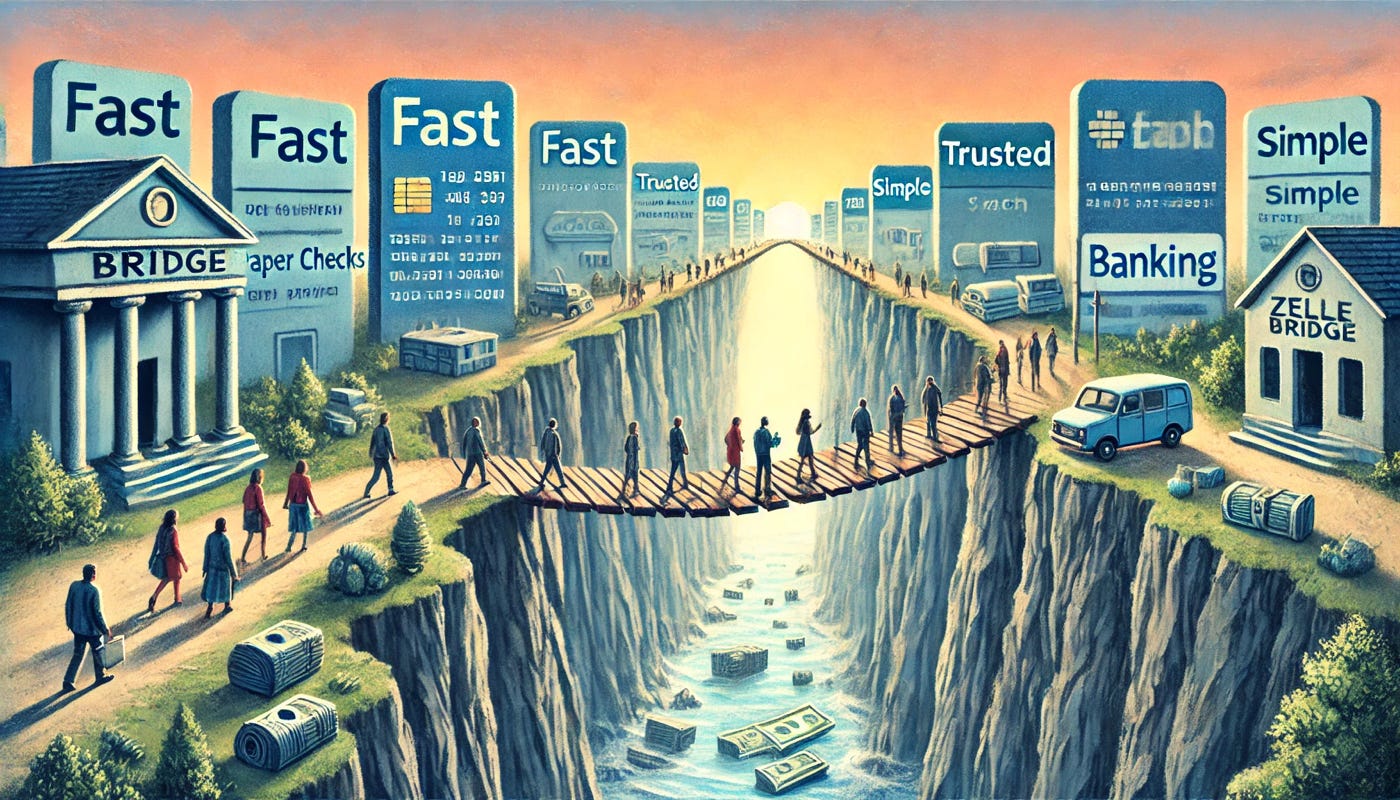
Am I proud? Damn right I am. That app was a bridge. A bridge between a fragmented banking experience and a unified, user-centric one. It helped Zelle go from a name nobody knew how to pronounce (it’s Zell, by the way) to one spoken across kitchen tables and cash registers.
But every bridge is meant to be crossed, not lived on. The sunsetting of the stand-alone Zelle app wasn’t a defeat—it was a graduation. A reminder that even temporary tools can leave permanent impact.
The Shift to Why
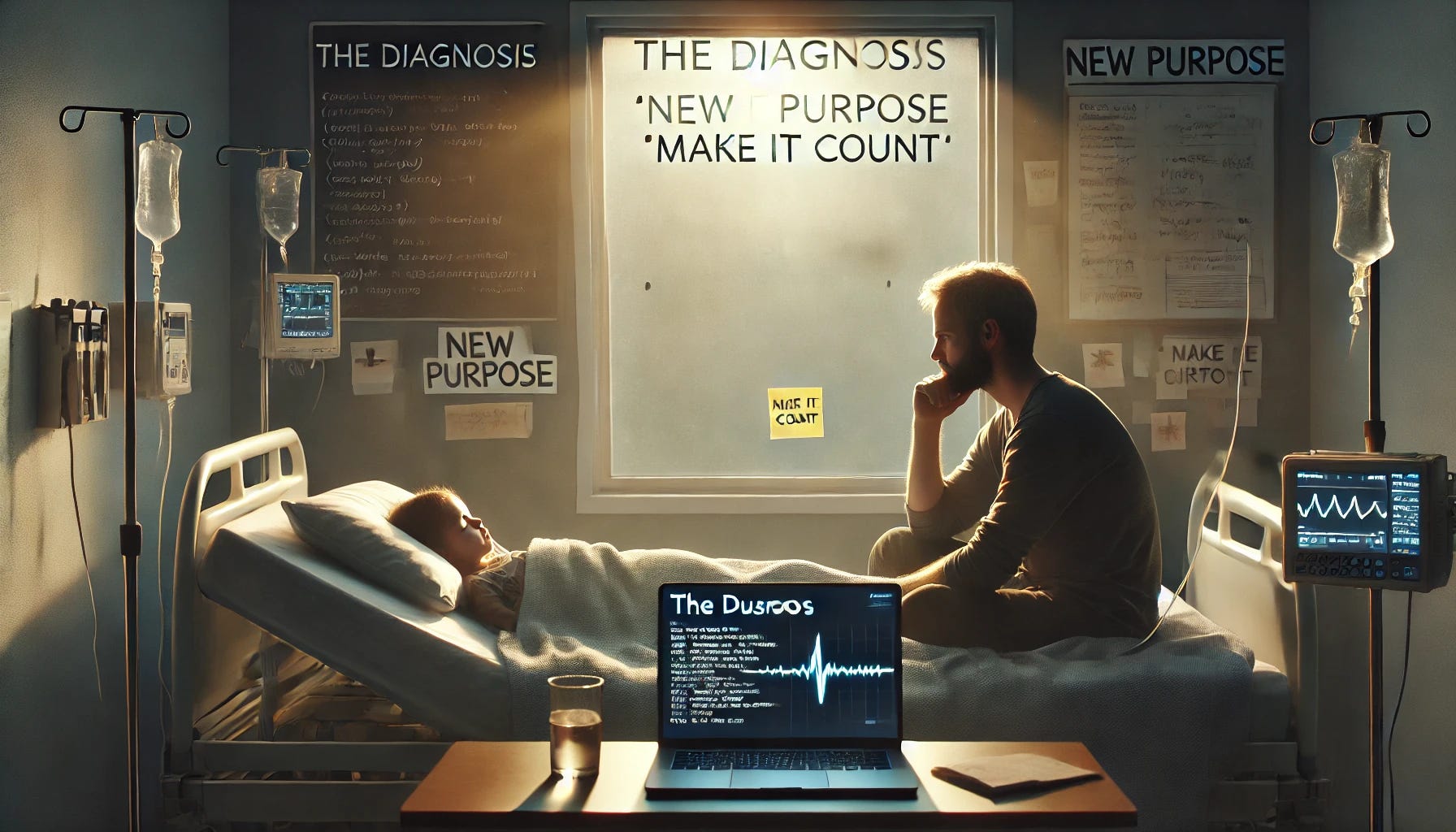
Somewhere along that journey—somewhere between release cycles and strategy decks—life sent me a curveball. My son was diagnosed with a chronic disease. And suddenly, everything I was building came into question.
Not because it wasn’t good.
But because I needed it to matter more.
When you look into the eyes of someone you love and realize the systems they’ll rely on are broken, inefficient, or built for someone else’s bottom line, your metrics change. ROI becomes Return on Impact. KPIs start to ask “so what?” instead of just “how much?”
That diagnosis rewired me.
It sharpened my lens on what purpose means in product. It shifted my compass toward building things that do good, not just look good in a pitch. And it taught me that when your “why” has a heartbeat, your product has a soul.
The Entrepreneurs I Believe In
So when I hear founders pitch now, I listen for more than market fit and monetization models. I listen for the story.
Why this problem? Why now? Why you?
The ones who win hearts (and checks) are solving something that’s been solved badly for too long—or not at all. They’re not just building because it’s a white space on a Gartner chart. They’re building because they must.
Because it’s personal.
Because they’re angry, or hopeful, or tired of watching the world limp along without something better.
That’s the fire you can’t fake. That’s the kind of founder or product owner I’ll go to war for.
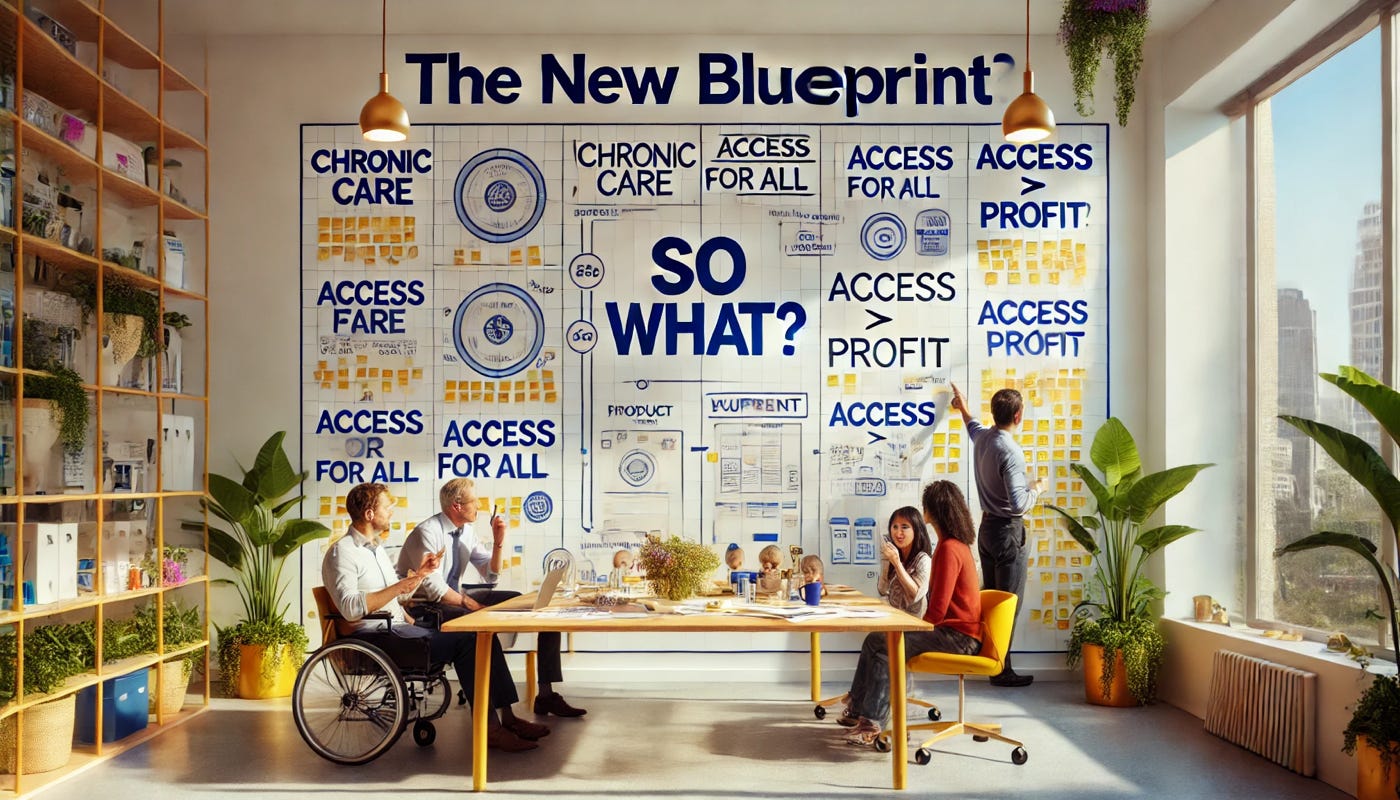
Building with a Purpose: The Next Chapter
I’ve come to believe that every product worth building should start with the question: So what?
So what if we launch? So what if we scale? So what if this works—what changes?
And if the answer doesn’t serve someone in a meaningful way—someone real, not just a persona on slide six—then maybe it’s not worth building.
Zelle was just the start. Now, I’m more focused than ever on projects that deliver good—not just goods. And every line of code, every roadmap session, every conversation, starts with that same question my son taught me to ask: Is this making someone’s life better?
If not, I’ll pass.
But if it is—if it could—then let’s build.
With purpose.
With passion.
And with people in mind.
Always.
Very impressive and insightful !!